Segregati in Evangelium Christi
ad Obedienatum Fidei
in Omnibus Gentibus
Set apart for the Gospel of Christ,
for Obedience of Faith in all Peoples
(Cf. Rom 1:1,5)
Romans 8:28
And we know that in all things God works for the good of those who love him, who have been called according to his purpose
Philippians 4:13
I can do all things through Christ
who strengthens me.
.jpg)
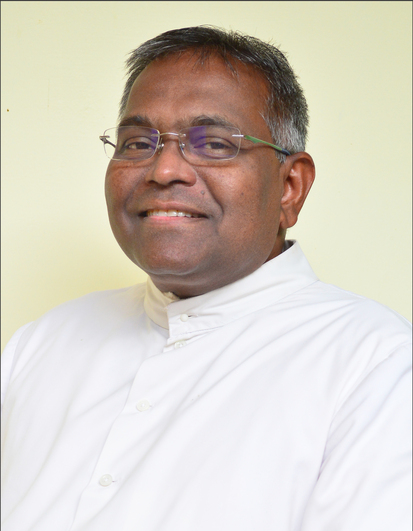
Dear brothers and sisters,
Greetings!
The academic year 2026-2027 is a historic year as the Dicastery for Culture and Education, Vatican, upgraded St Paul's Institute of Theology into an autonomous ecclesiastical faculty and erected St Paul's Faculty of Theology on June 29, 2026, the Solemnity of Sts Peter and Paul. We praise and thank the Lord for this grace for growth. We are grateful to St Peter's Pontifical Institute, Bengaluru, to which St Paul's Institute of Theology was aggregated. With this new mandate for higher education in Christian Theology, we will be committed to imparting truth that leads to service.
Further, this academic year blooms at the background of the light from Magnifica Humanitas (MH) of Leo XIV. The initiative of Leo XIV assures humanity the direction of the Church against the boom of development. His distant predecessor Leo XIII in the context of the Industrial Revolution, which promoted industrialisation, mechanisation and exploitation of workers, wrote Rerum Novarum on May 15, 1891. After 135 years another Leo is addressing the concerns of Artificial Intelligence (AI) through his first encyclical Magnifica Humanitas, published on May 15, 2026.
Both uphold the dignity of men and women, the right to work, the relationship among men and women and the common good. The danger of reducing men and women to mere data, economic units and programmable objects has already set in. The Leos address with concern the economic system that concentrates wealth and power in the hands of a few industrialists and the concentration of technological power, data, decision-making, etc., in a small number of corporates and institutions. Magnifica Humanitas stresses that technological and social advancements should aim at the common good and be accountable to ethical principles. The Church thus breathes amidst the vicissitudes of men and women and promotes and safeguards human dignity, the dignity given by God.
Thus, the formation of those who are specially called to work in the vineyard of God should help to dialogue with human sciences. The philosophical and theological learning should develop the capacity for critical discernment of technological developments, especially AI, by shedding the light of Christian Anthropology. The faith formation programmes in the Christian Institutes of Philosophy and Theology should enable the students to connect Sacred Scripture, Christian Philosophy and Theology with current social realities (MH, 20–29).
In addition, Christian formation should be centred on the dignity of the human person created in the image and likeness of God (Gen 1:26–27). We, men and women, find our fulfilment in communion and self-giving love. Hence, teachers and students should be interested in developing relational maturity, solidarity and the capacity for self-gift (MH, 48–49).
Finally, formation today at all levels—from home to university—is in need of educating truth and responsible digital citizenship, forming an educational alliance for the digital age (MH, 145–156). Thus, we all learn to seek truth, exercise freedom responsibly and resist manipulation. We become capable of freedom, truth and authentic human relationships, balancing digital engagement with prayer, formation for future ministry, family life and real human relationships.
God makes "everything beautiful in its time" (Cf. Eccl 3:11). The beauty of our time is digital advancement! Let us make use of it and never misuse it or become slaves to it. Let us become "weavers of hope" like Mary who can bring, with the help of the Holy Spirit, the "civilization of love" in the era of AI (MH, 245).
God bless.
Explore the journey through our collection
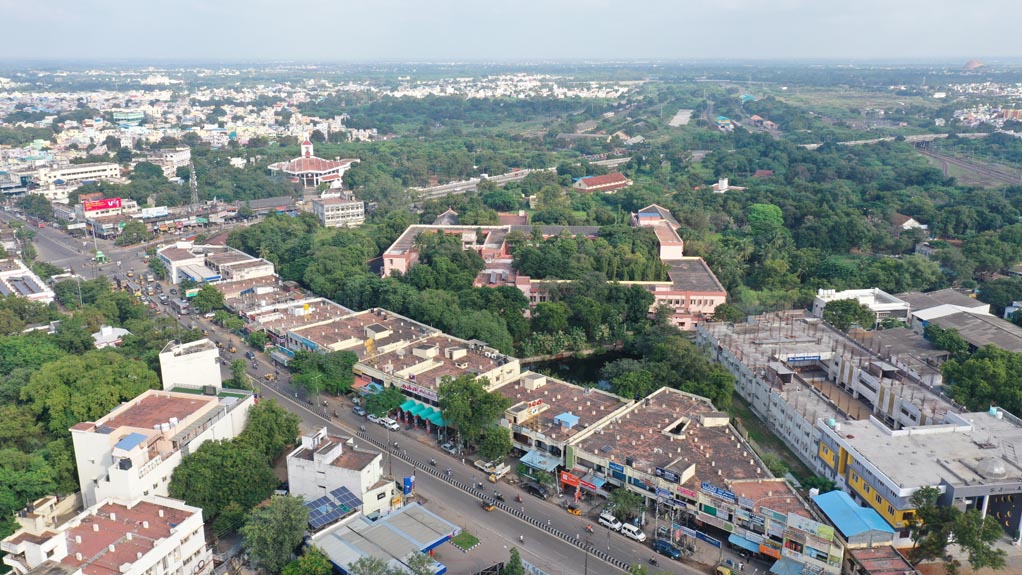
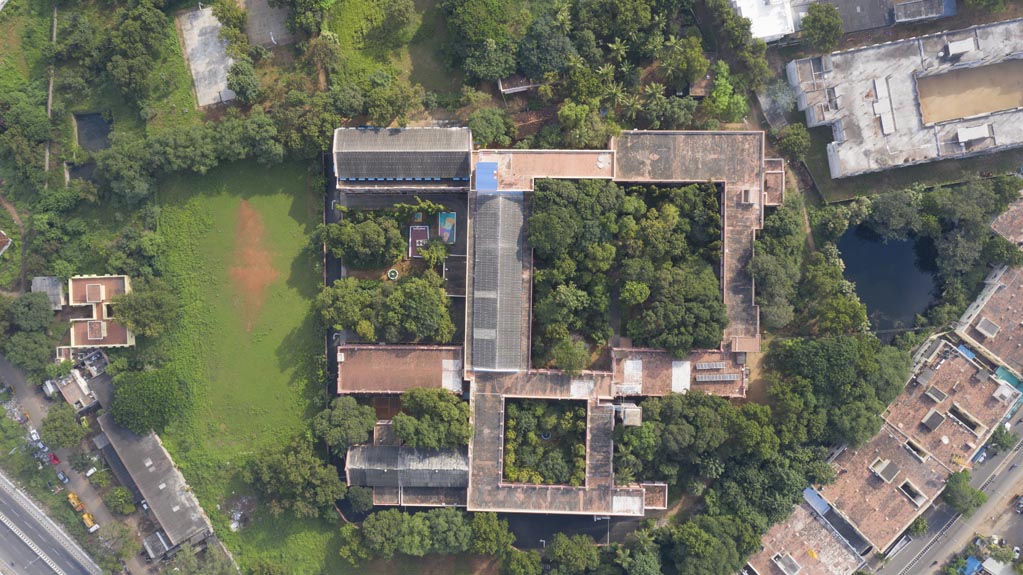
The beautiful grounds of St. Paul's Seminary
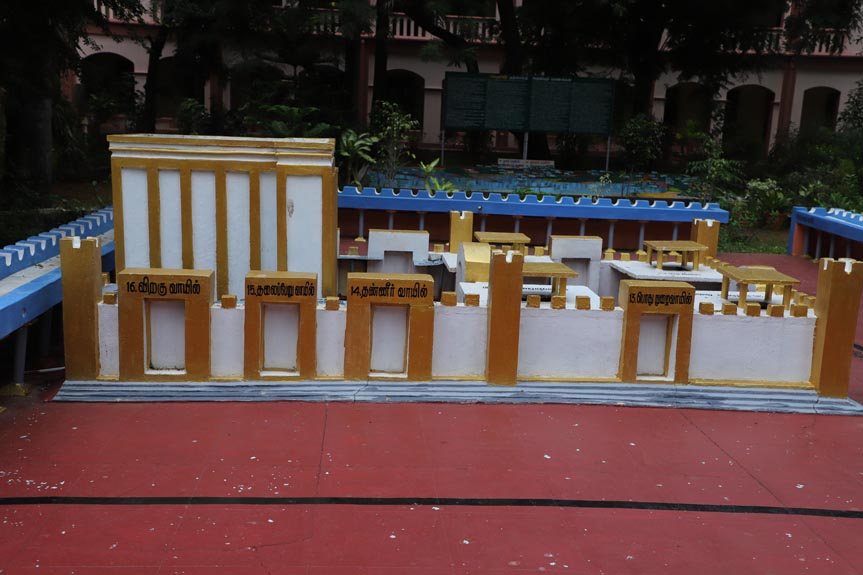
Our peaceful chapel for prayer and reflection
Seminarians in fellowship and discussion
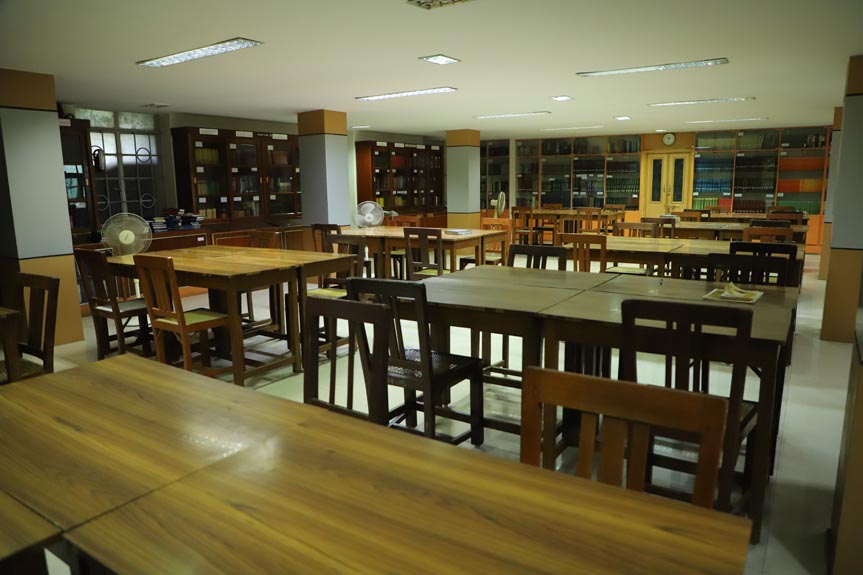
Our extensive collection of spiritual texts
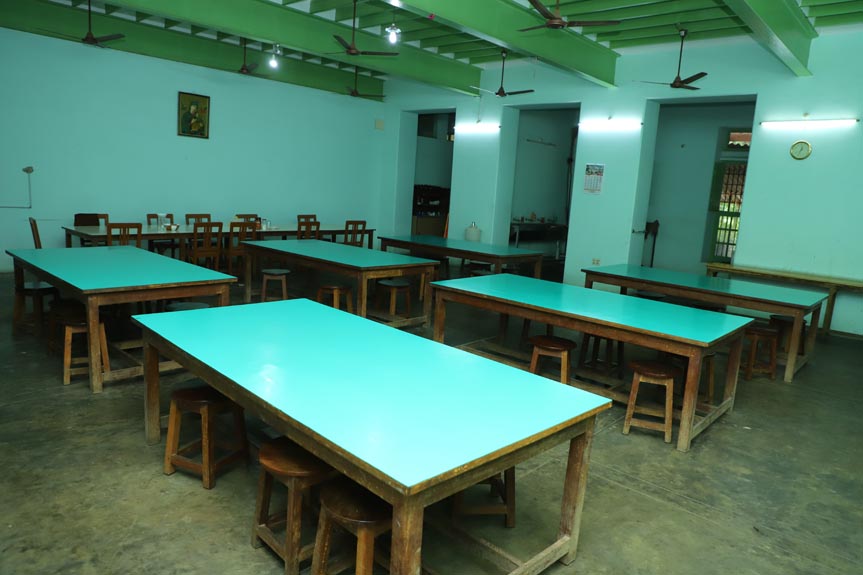
Engaging theological discussions
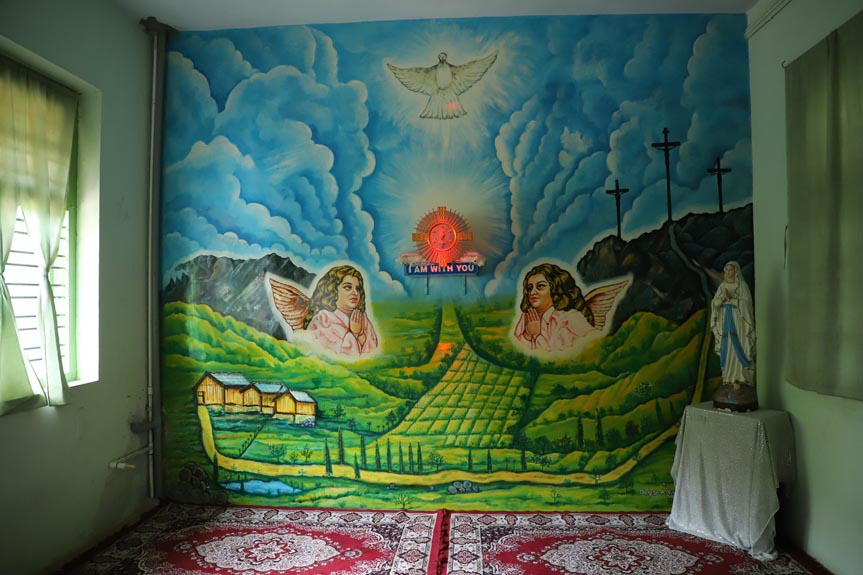
Quiet space for contemplation
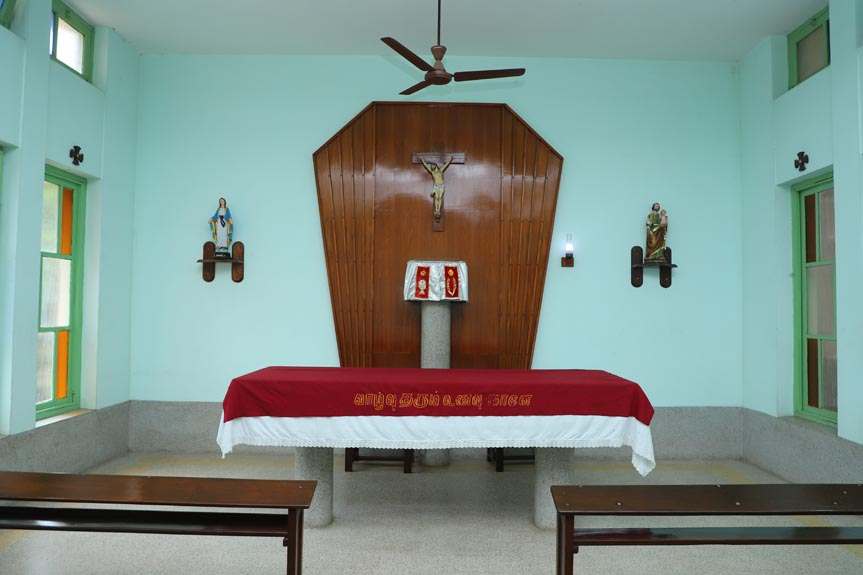
Community Eucharistic celebration
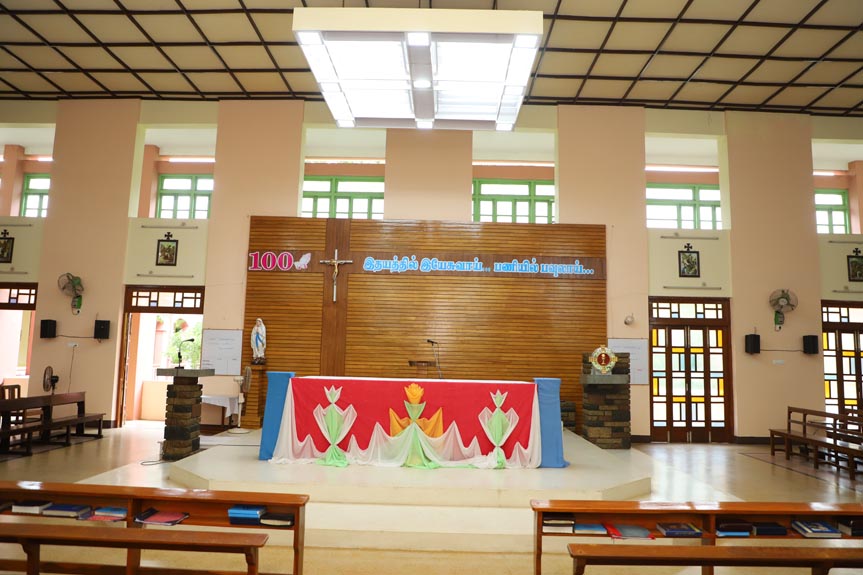
A sacred moment of commitment
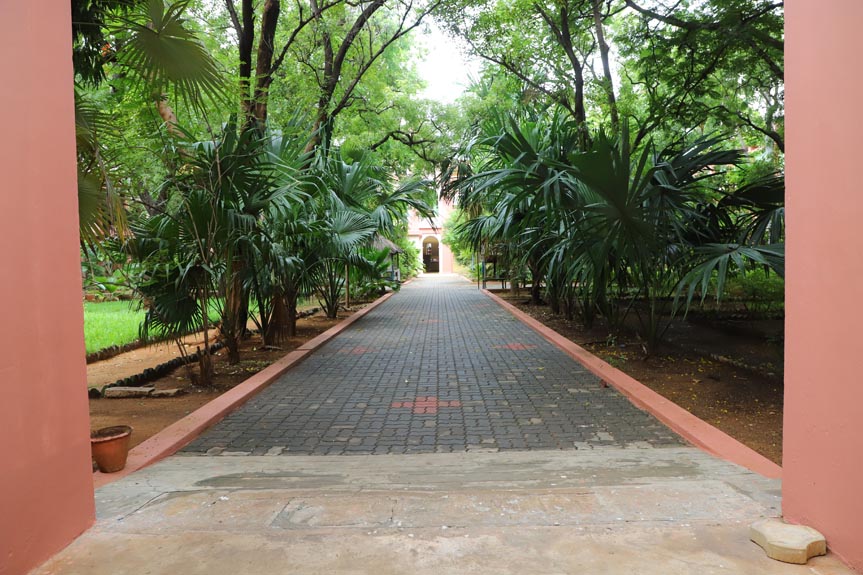
Serving the local community
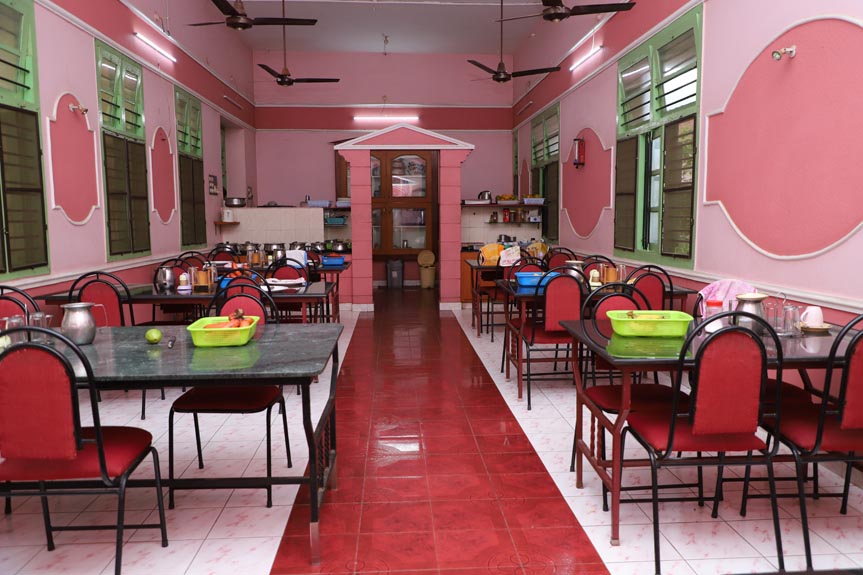
Time for prayer and renewal
The beautiful grounds of St. Paul's Seminary
Our peaceful chapel for prayer and reflection
| Campus Drone Tour | |
|---|---|
|
|
|
© St. Paul’s Faculty of Theology . All Rights Reserved.
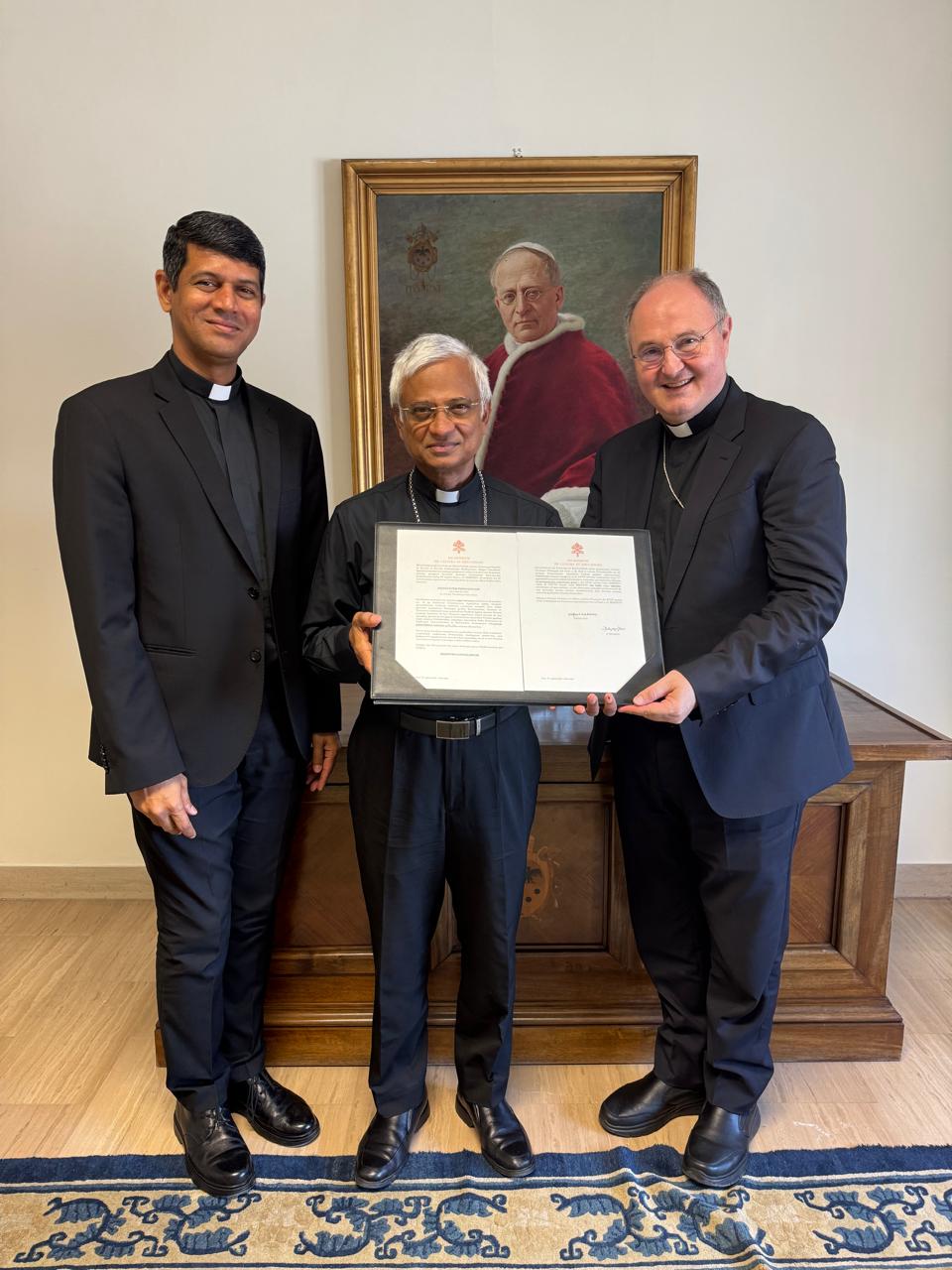
St. Paul's Faculty of Theology is erected on June 29, 2026, the Solemnity of Saints Peter and Paul, by the Dicastery for Culture and Education, Vatican.
This historic recognition marks a significant milestone in the mission of St. Paul's Faculty of Theology, affirming its commitment to theological excellence, academic research, intellectual formation to the Candidate to Priesthood,the Religious and the Laity and faithful service to the Universal Church.